
Think of your dentures like a favorite pair of shoes. After years of wear, they can start to get loose, uncomfortable, or even worn out. Just like shoes, dentures don’t last forever.
Your mouth changes shape over time, and the dentures themselves can get weak. Knowing the signs that it’s time for a new set is super important for staying comfortable and keeping your mouth healthy.
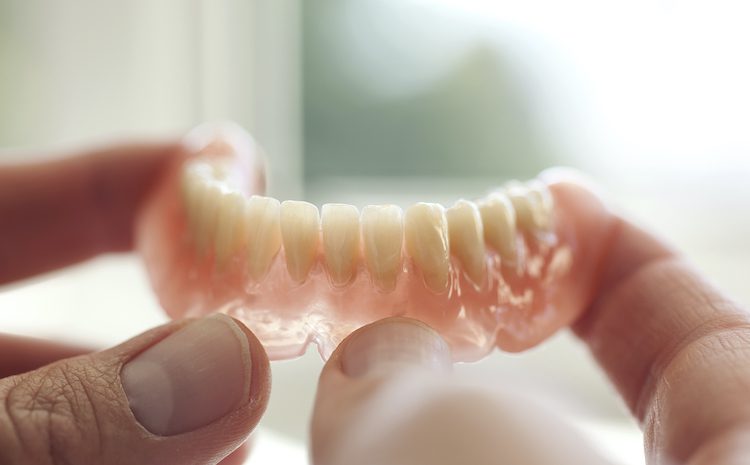
How to Tell When It’s Time for New Dentures
Dentures aren’t the most exciting thing in the world. You probably don’t think about them much. They’re just a part of your daily routine, like putting on your shoes or brushing your hair. But just like a favorite pair of sneakers, dentures don’t last forever. They go through a lot with all the chewing, talking, and just hanging out in your mouth day after day.
Over time, things change. Your mouth changes, and the dentures themselves wear down. Trying to make old, worn-out dentures work is like trying to wear shoes that are two sizes too small. It’s uncomfortable, awkward, and can actually cause other problems.
So, how are you supposed to know when it’s time for an upgrade? You don’t need to be an expert. You just need to know what to look for. Here are the top signs that your dentures are ready for retirement.
1. They’re Just Plain Uncomfortable
This one might seem obvious, but it’s the biggest clue. Your dentures should feel relatively natural in your mouth. You shouldn’t be constantly aware of them. If you are, that’s a problem.
What to watch out for:
- Constant soreness: A general feeling of irritation on your gums.
- “Hot spots”: Specific, sharp points of pain where the denture is rubbing against your gum.
- Inflammation: Your gums look red, puffy, or even have little sores on them.
Why does this happen? It’s not always the denture’s fault! The bone and gums in your mouth aren’t a solid, unchanging rock. They’re more like soft clay that can slowly shift and shrink over time. This is a totally normal process, especially after you’ve lost your natural teeth.
When your mouth changes shape, the denture that used to fit perfectly now sits on your gums all wrong, like a wobbly table leg. This constant rubbing creates friction, which causes those painful spots. Ignoring this isn’t just about toughing it out. It can cause serious infections and make wearing your dentures unbearable.
2. Eating and Talking Have Become a Struggle
Remember one of the main reasons you got dentures in the first place? To live your life normally! If basic tasks are becoming a chore, your dentures are likely the culprit.
What to watch out for:
- Chewing is tricky: You notice food, especially smaller things like seeds or grains, constantly slipping underneath your denture.
- You avoid certain foods: You start saying “no” to crunchy apples, chewy steak, or sticky candy because you know they’ll cause problems.
- Your words are slurred: Suddenly, certain sounds (especially “S” or “F”) are harder to pronounce. You might feel like you have to work harder to speak clearly.
Why does this matter? This is about more than just frustration. When chewing is difficult, you might start swallowing bigger pieces of food, which can upset your stomach. Or, you might start choosing only soft, easy-to-eat foods that don’t provide the nutrition you need.
This can affect your energy levels and overall health over time. And feeling embarrassed to talk or eat in front of friends and family can really put a damper on your social life.
3. They’re Getting Loose and Wobbly
Your dentures should fit snugly against your gums, using a gentle suction to stay in place. You shouldn’t need to use huge amounts of adhesive just to get through the day.
What to watch out for:
- Increased slipping: You feel them shift when you smile, laugh, or cough.
- Adhesive overload: You find yourself using more and more denture glue just to feel secure.
- The “click”: You hear a clicking sound when you’re talking or chewing.
Why does this happen? This goes back to those changes in your mouth. The jawbone underneath your gums needs the pressure from tooth roots to stay strong. Without that pressure, the bone slowly shrinks. As the bone shrinks, the denture has less to hold onto, so it becomes loose.
This isn’t just annoying. A loose denture can cause jaw pain and even headaches because you’re constantly clenching your jaw muscles to try and keep it in place.
4. You Can See the Damage
Take your dentures out and really look at them. Do they look like they’ve been through a battle?
What to watch out for:
- Cracks and chips: Even a tiny, hairline crack is a big deal.
- Stains that won’t come out: They look discolored or dingy no matter how well you clean them.
- Worn-down teeth: The fake teeth on the denture look shorter or flatter than they used to.
Why is this a red flag? A small crack is like a crack in a car’s windshield. It might seem small, but it weakens the whole structure and will only get bigger. A denture could break completely while you’re eating, leaving you in a tough spot.
Worn-down teeth also make chewing less effective. And if your dentures are visibly stained or damaged, they’re not doing their job of giving you a natural-looking smile.
5. Your Face Looks Different
This sign is more subtle, but super important. Your teeth play a huge role in supporting your facial structure.
What to watch out for:
- “Pursed” lips: Your lips seem to sink inward, making them look thinner.
- A sunken look: Your cheeks look flatter or less full, creating wrinkles around your mouth.
- A sagging jawline: The bottom half of your face seems to have lost its definition.
Why does this happen? Your natural teeth and the bone that holds them up are like the scaffolding that holds up your face. When dentures don’t fit properly anymore, they don’t provide that same support.
This allows your cheeks and lips to collapse inward, which can make you look older and tired. A new, well-fitted set of dentures can actually help restore that support, giving your face a more youthful and healthy contour.
6. They’ve Hit Retirement Age
Even if your dentures seem fine, they have a general lifespan. Think of it like a carton of milk. It has an expiration date, even if it’s been kept in the fridge.
What’s the timeline? Most dentures need to be replaced every 5 to 7 years.
Why can’t they last forever? It’s a combination of two things. First, the plastic material just breaks down from daily use and cleaning. It becomes more brittle and prone to cracking. Second, and more importantly, your mouth is continuously changing.
Over five years, the slow shrinkage of your jawbone can add up to a big change in fit. A denture that’s seven years old is trying to fit a mouth that has a completely different shape.
The best thing you can do is see your dentist for regular checkups. They can look at your mouth and your dentures to see how they’re both holding up. They’re like a mechanic for your smile, able to spot tiny problems before they turn into painful ones.
If you’re noticing any of these signs, don’t ignore them! Talking to your dentist is the first step toward getting your comfort, confidence, and smile back.
Denture Care at Oak Grove Family & Cosmetic Dentistry
Dr. Harris knows the importance of a complete bite. If you have multiple missing teeth or an old denture that doesn’t fit anymore, schedule a visit today. With the right care, your restoration could last you many years. Contact our office today at 919-899-4467 or schedule a consultation online.